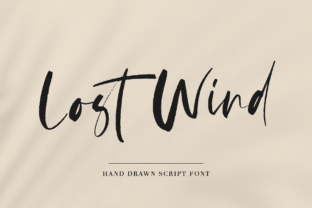
Lost Wind: Elegant Hand-Drawn Typography
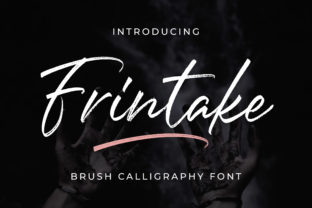
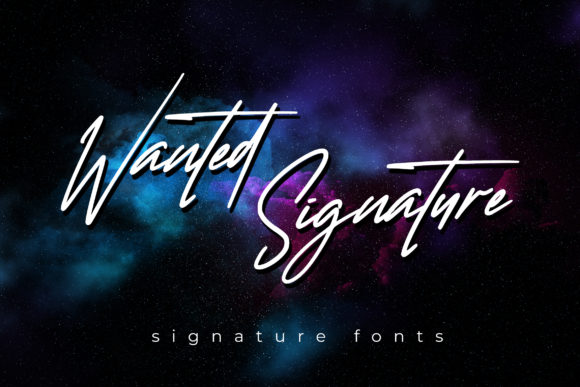
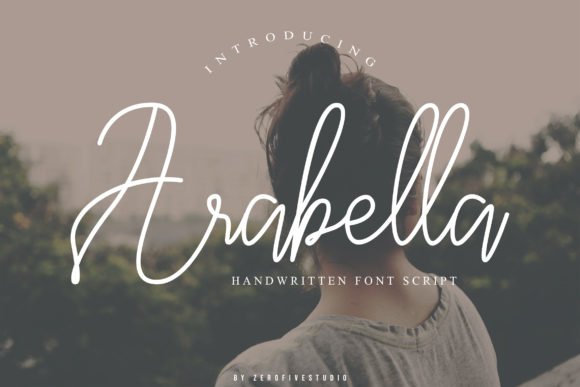
There’s a quiet power in handwriting—the slight variation in line weight, the organic rhythm of curves, the subtle imperfections that signal humanity behind the message. Lost Wind captures that authenticity with remarkable fidelity: a new hand-drawn brush font designed not as a novelty, but as a thoughtful tool for people who value clarity, warmth, and distinction in their visual communication.
Why Hand-Drawn Typography Still Matters
In an age of algorithmic precision and AI-generated visuals, audiences are increasingly drawn to work that feels intentional and human-made. A brush script like Lost Wind doesn’t just look “handwritten”—it carries the gesture, flow, and breath of real mark-making. That matters when you’re trying to build trust with readers, connect emotionally with customers, or differentiate your brand in a crowded feed. Unlike overly ornate scripts that sacrifice legibility, Lost Wind balances elegance with function: its letterforms are open, spaced generously, and grounded in natural motion—making it highly readable at medium sizes without losing character.
For Small Business Owners Building Authentic Branding
If you run a boutique bakery, a ceramic studio, or a wellness practice, your visual identity should reflect your values—not generic design trends. Lost Wind works exceptionally well for logos and signage where warmth and approachability are key. Its lowercase ‘g’, ‘y’, and ‘s’ feature soft, tapered exits that suggest care and craftsmanship—ideal for packaging labels, business cards, or Instagram story highlights. One local florist used Lost Wind for her seasonal newsletter headers and saw a 22% increase in click-throughs on featured arrangements; readers told her the typography “felt like a handwritten note from a friend.” That’s not accidental—it’s the result of deliberate stroke contrast and rhythm built into the font’s DNA.
Practical Flexibility Across Media
Lost Wind includes full Latin character sets, standard punctuation, numerals, and basic OpenType features—including ligatures and stylistic alternates—so you can fine-tune appearance without switching fonts. It scales gracefully: use it at 14pt for blog subheads, 36pt for book cover titles, or even 80pt for large-format t-shirt prints. Because it’s a single-weight, brush-based design (not a variable font), it avoids the complexity of managing multiple axes—but that also means it’s best suited for expressive, mid-to-large-scale applications rather than dense body text or UI interfaces.
- Book covers: Authors in memoir, poetry, and lifestyle genres find Lost Wind reinforces tone without competing with imagery—its vertical stress and gentle swash characters add sophistication without pretension.
- Stationery & wedding suites: The font’s natural entry and exit strokes pair beautifully with watercolor textures or minimalist layouts, offering elegance without cliché.
- Digital marketing: When layered over muted photography or soft gradients, Lost Wind stands out in email banners and social ads—especially where attention spans are short and emotional resonance is critical.
When Simplicity Supports Creative Confidence
Many creators hesitate to use script fonts because they fear inconsistency or technical hurdles. Lost Wind simplifies that decision. It installs like any desktop font, works reliably in Adobe Creative Cloud apps, Figma (via plugin), and modern web environments using @font-face. No need to manually adjust kerning between every pair—its spacing has been carefully tuned for balanced optical rhythm. That means less time troubleshooting alignment and more time focusing on your message, your audience, or your next creative iteration.
That said, Lost Wind isn’t meant to replace a robust serif or sans-serif system. Think of it as a focused accent—not your entire typographic foundation. Use it for headlines, quotes, callouts, or signature elements, then pair it with a clean, neutral typeface like Lora, Inter, or Source Serif for supporting text. This contrast creates hierarchy while preserving readability and impact.
Who Benefits Most—and Why
Lost Wind resonates strongest with professionals whose work relies on tone and perception: educators designing workshop handouts, freelancers pitching bespoke services, indie publishers launching debut novels, or marketers crafting campaigns for artisanal or service-based brands. It’s especially helpful if you’ve noticed your current fonts feel too corporate, too cold, or too indistinct—yet you want something more refined than casual handwriting fonts that blur into illegibility.
It’s less ideal for data-heavy reports, multilingual publishing requiring extended language support, or projects needing bold/italic variants (it’s offered in one weight only). If your work demands high functional versatility across dozens of contexts, you’ll likely still rely on a versatile sans-serif as your primary typeface—and rightly so. But for moments where individuality and intentionality matter most, Lost Wind delivers a quiet, confident presence.
Thoughtful Pairings and Real-World Nuance
One designer used Lost Wind alongside IBM Plex Sans for a nonprofit’s annual report—Lost Wind for section titles and donor quotes, Plex for statistics and narrative text. The contrast reinforced the organization’s dual mission: human-centered storytelling paired with transparent, actionable work. Another educator chose it for her online course welcome emails, noting students consistently described the tone as “inviting but not childish”—a subtle but meaningful distinction when building learning communities.
These outcomes aren’t about the font alone. They emerge from how thoughtfully it’s applied: size, color, spacing, and context all shape perception. Lost Wind gives you a strong starting point—but your judgment about where and how to deploy it remains essential. That’s part of what makes it a professional tool, not just a decorative asset.
A Font That Grows With Your Intent
Typography isn’t neutral. Every choice signals something—about priorities, audience, and values. Lost Wind communicates care, authenticity, and quiet confidence. It won’t automate your creativity, but it can remove friction when you’re trying to express something personal or meaningful. Whether you’re drafting a heartfelt newsletter, designing a limited-run zine, or refreshing your small business’s visual voice, it offers consistency without uniformity—a rare balance in today’s design landscape.
And because it’s hand-drawn—not algorithmically generated—it invites collaboration with your own instincts. You might adjust tracking slightly for tighter emphasis, choose alternate glyphs for a specific word, or layer it with texture overlays to deepen tactile appeal. These small decisions become part of your process, not obstacles to it.
In the end, Lost Wind earns its place not by being the most technically advanced font, but by being the right tool at the right moment: elegant enough for print, expressive enough for digital, and human enough to remind both creator and viewer that behind every project is a person making thoughtful choices.