Boba Boba: A Handwritten Font with Modern Soul
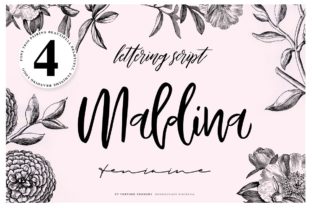
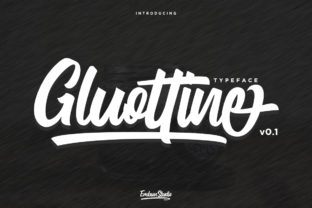
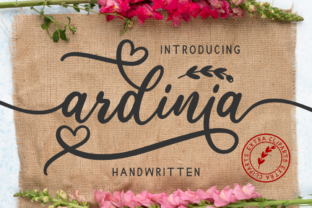
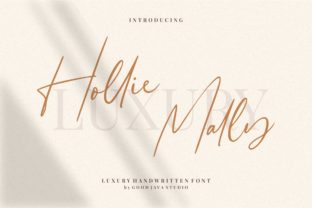
If you’ve ever scrolled past a social post, boutique packaging, or an indie magazine cover and paused—just for a second—because the text felt unexpectedly warm, personal, and quietly confident, there’s a good chance Boba Boba was behind it. This isn’t just another script font. Boba Boba is a premium handwritten typeface built from real pen strokes, with subtle inconsistencies that breathe life into every letter. It avoids the overly cursive, hard-to-read traps of many script fonts—and sidesteps the sterile uniformity of most sans serifs. Instead, it lands somewhere rare: effortlessly modern, human-scaled, and unmistakably intentional.
What Makes Boba Boba Feel So Distinctive?
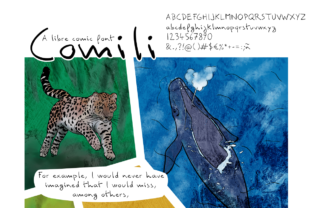
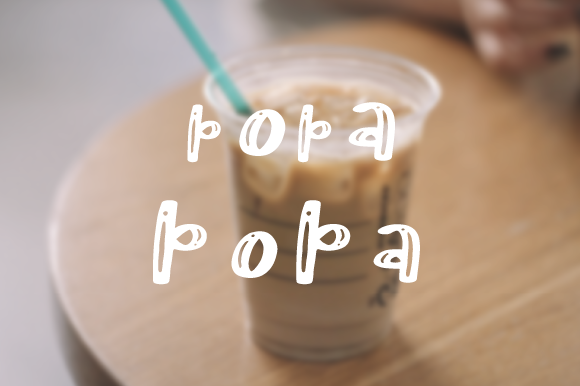
Look closely at the lowercase “a” or “g”: you’ll notice gentle entry and exit strokes—not rigid calligraphic flourishes, but the kind of natural lift and pressure variation you’d get from a fine-tipped marker held comfortably in hand. The x-height is generous, which helps readability at smaller sizes. Letter spacing is thoughtfully open—not tight like a formal script, not loose like a casual doodle. And while Boba Boba is technically a script font, it behaves more like a hybrid: its rhythm supports both short bursts (like a logo lockup or Instagram story headline) and longer editorial passages (think pull quotes in a zine or blog sidebar).
Its personality sits comfortably between friendly and focused—never childish, never cold. That balance makes it unusually versatile. You won’t mistake it for a vintage chalkboard font or a wedding invitation script. Boba Boba carries quiet confidence. It says, “I’m thoughtful about craft—but I’m not trying too hard.”
Where Boba Boba Earns Its Keep
This is where many designers hesitate: “Is a handwritten font *professional enough*?” With Boba Boba, the answer depends less on industry and more on intent. It shines brightest when authenticity, approachability, or creative distinction matters more than rigid formality.
- Brand identity: Small businesses—especially those rooted in craft, wellness, food, or education—use Boba Boba in logos and wordmarks to signal warmth without sacrificing polish. A ceramic studio’s website header, a herbal tea brand’s label, or a therapist’s business card all gain grounded humanity with Boba Boba as the primary display font.
- Digital & social graphics: Because of its strong character shapes and clear legibility even at 24–36px, Boba Boba works well in social media banners, Reels text overlays, and email headers—places where personality must land instantly and read cleanly on small screens.
- Publishing & editorial design: Think magazine pull quotes, chapter openers in indie ebooks, or illustrated book covers where typography needs to complement illustration—not compete with it. Boba Boba’s soft contrast and organic flow sit beautifully beside hand-drawn art or minimalist photography.
- Packaging & print: On product tags, greeting cards, or limited-run posters, Boba Boba adds tactile nuance. Its ink-like texture translates well to spot UV, foil stamping, or letterpress—making it a favorite among designers who treat type as part of the material experience.
Readability Isn’t Optional—It’s Design Responsibility
Let’s be direct: no matter how charming a script font looks, if people skip over your headline because it’s hard to parse, it fails its core job. Boba Boba avoids this by prioritizing shape recognition over decorative excess. Letters like “r”, “n”, and “m” retain distinct counters and proportions. The “s” doesn’t loop back on itself confusingly. And crucially, it includes a full set of OpenType features—standard ligatures, discretionary ligatures, and stylistic alternates—so you can fine-tune rhythm and avoid awkward collisions (like “f” + “l” or “t” + “h”) without manual kerning.
That said, use it with intention. Boba Boba is a display font—not meant for body copy in long-form web articles or legal disclaimers. Reserve it for headlines, subheads, callouts, and short branded phrases. For supporting text, pair it with a clean, neutral sans serif (think Inter, Poppins, or Montserrat) or a low-contrast serif (like Lora or Crimson Text). Avoid pairing it with other script fonts or overly geometric sans serifs—the contrast should feel purposeful, not jarring.
Licensing, Practicality, and Real-World Fit
Boba Boba is a commercial font, meaning it’s fully licensed for business use—including client work, merchandise, apps, and SaaS platforms—as long as you purchase the appropriate license tier. There’s no “free version” with hidden limits or watermarks. That clarity matters when you’re building brand assets for a client or launching your own product line.
Before committing, ask yourself three things:
- Does this project benefit from human-scale expression? If your goal is clinical precision (e.g., medical device UI, financial dashboard), Boba Boba likely isn’t the right tool. But if you’re designing a newsletter for a local bakery, a workshop flyer for a pottery class, or a launch campaign for a sustainable apparel brand—yes, it fits.
- Have you tested it at actual size and context? Drop Boba Boba into your mockup—not just as a headline, but as a button label, a tagline next to a photo, or stacked over a textured background. Does it hold up? Does it still feel legible when scaled down for mobile? Don’t rely on preview thumbnails.
- Do you need extended language support or variable weight options? Boba Boba currently ships in one weight (regular) with full Latin character coverage, including diacritics for French, Spanish, German, and Scandinavian languages. It doesn’t include Cyrillic or CJK, so plan accordingly for global-facing projects.
One final note: Boba Boba doesn’t try to be everything. It doesn’t replace Helvetica. It won’t solve weak messaging or inconsistent branding. But when used deliberately—as part of a thoughtful design system—it becomes a quiet amplifier: reinforcing voice, deepening connection, and making space for humanity in an increasingly automated visual landscape. That’s not just typography. That’s design with empathy.