Gluottine: The Modern Calligraphy Font That Elevates Craft with Effortless Elegance
There’s a quiet magic in the right font—especially when you’re handcrafting invitations, designing custom stationery, or building a brand that whispers sophistication instead of shouting it. Enter Gluottine: a modern calligraphy font that bridges tradition and trend, precision and personality. It’s not just another script typeface—it’s a carefully crafted tool for creators who value authenticity, readability, and timeless charm.
What Makes Gluottine Stand Out in Today’s Font Landscape?
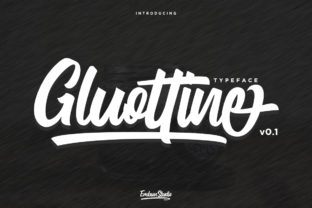
Unlike many decorative scripts that sacrifice legibility for flair—or worse, feel overly digitized and stiff—Gluottine balances organic flow with clean structure. Its letterforms are drawn with subtle contrast: gentle thicks and thins, soft entry and exit strokes, and a natural rhythm that mimics skilled penmanship without looking like a scanned handwriting sample. That intentional balance is why designers, crafters, and small business owners consistently reach for Gluottine when they need elegance that feels human—not algorithmic.
Each glyph is meticulously kerned and spaced to ensure harmony across words, not just individual letters. You’ll notice how the lowercase “s” curls with confident grace, how the uppercase “Q” features a delicate tail that doesn’t compete with neighboring characters, and how the ampersand (&) carries its own quiet presence—ornamental but never distracting. These aren’t afterthoughts; they’re evidence of thoughtful design rooted in typographic discipline.
Where Gluottine Fits Best: Real Projects, Real Impact
Think beyond “just a font.” Gluottine thrives where intention meets execution—and where visual tone matters as much as content.
- Wedding & Event Design: From save-the-dates to monogrammed napkins, Gluottine adds warmth and refinement. Pair it with a crisp sans-serif (like Montserrat or Inter) for headings and body text—this contrast creates hierarchy while keeping things approachable and luxe.
- Small Business Branding: Artisanal bakeries, boutique florists, handmade jewelry labels—they all benefit from Gluottine’s refined yet friendly voice. Use it sparingly: on logo lockups, product tags, or social media quote graphics. Less is more, especially when your audience associates your brand with care and craftsmanship.
- Digital Craft & Printables: Whether you're selling Canva templates, printable planners, or SVG files for Cricut users, Gluottine integrates beautifully into layered designs. Its OpenType features—including ligatures and alternate characters—let you swap in stylistic variants (like a swash “y” or flourished “t”) with one click in compatible software.
- Personal Creative Projects: Journal covers, poetry chapbooks, framed quotes, even embroidery patterns—the versatility of Gluottine means it adapts without losing its soul. Try printing it at 36pt on textured cotton paper, then running it through a foil stamping press. The result? A tactile experience that echoes the font’s inherent depth.
How Gluottine Works With Your Tools—and Your Time
You don’t need a design degree—or endless hours—to use Gluottine well. It’s built for real-world workflows:
- Cross-platform ready: Available in both .OTF and .TTF formats, Gluottine installs seamlessly on Mac, Windows, and works reliably in Adobe Creative Cloud apps (Illustrator, Photoshop, InDesign), Affinity Designer, Canva Pro, and even newer tools like Figma (via web font integration or local upload).
- No licensing surprises: One license covers personal *and* commercial use—including client work—so whether you're designing a wedding suite for a friend or building a Shopify store for a candle brand, you’re covered. No hidden tiers, no per-project fees.
- Lightweight but expressive: At under 200KB, Gluottine loads fast—even in web projects where performance matters. And yes, it’s webfont-optimized: serve it via @font-face with variable weight fallbacks or use it confidently in email-safe HTML/CSS stacks (when paired with system fonts as backups).
A Note on Pairing: Why Gluottine Doesn’t Need to Compete
Gluottine shines brightest when it’s given room to breathe. It’s not a headline-only font—but neither is it meant for paragraphs of body copy. Think of it as the “voice” in your design: distinct, memorable, emotionally resonant. For supporting text, choose something neutral and highly legible—a geometric sans-serif for modern minimalism, or a warm humanist sans for approachability. Avoid pairing Gluottine with other scripts unless you have strong typographic intuition; two competing personalities rarely harmonize.
Try this simple rule: if the word “handwritten” comes to mind when you see the font, keep it to titles, names, short phrases, or decorative accents. Let your secondary font handle the rest—clearly, quietly, competently.
What Users Say—and What They Wish They’d Known Sooner
Designers and makers using Gluottine often report three consistent wins: faster client approvals, higher perceived value of their work, and increased engagement on visual platforms like Instagram and Pinterest. One wedding stationer shared that switching from a generic script to Gluottine bumped her average order value by 18%—clients simply associated the refined typography with premium service.
That said, new users sometimes overlook practical considerations:
- Size matters more than you think. Gluottine reads beautifully at 24pt and above—but below 16pt, fine details (like hairline terminals or delicate loops) begin to blur, especially on screens or low-res prints. Always test at final output size.
- Kerning isn’t optional—it’s essential. While Gluottine ships with solid default spacing, tight pairs like “To”, “Va”, or “Tr” benefit from manual adjustment. Spend 90 seconds tweaking—your eye will thank you.
- Color choice changes everything. Black or deep charcoal delivers maximum contrast and authority. Warm burgundy or muted navy adds intimacy. Avoid bright neons or ultra-light grays—they mute Gluottine’s nuance and weaken its impact.
Gluottine in Context: Not Just Another Trend
In an age of AI-generated visuals and mass-produced aesthetics, Gluottine stands out precisely because it refuses to be generic. It doesn’t chase viral trends—it leans into timelessness. Its curves echo 19th-century copperplate traditions, yet its spacing and proportions reflect contemporary digital standards. That duality makes it unusually resilient: it won’t look dated next year, or even five years from now.
More importantly, Gluottine invites intentionality. Choosing it signals that you care about how your message lands—not just what it says. That’s why educators use it for classroom certificates, why authors select it for book title pages, and why lifestyle brands lean on it for seasonal campaign banners. It’s a quiet differentiator in crowded spaces.
If you’ve ever hesitated before hitting “purchase” on a font—wondering if it’ll deliver beyond the preview image—you’ll find Gluottine refreshingly honest. It does exactly what it promises: brings class, clarity, and craft-level polish to your next project—without pretense, without complexity, and without compromise.
Ready to Bring Gluottine Into Your Workflow?
Whether you’re sketching ideas in a notebook or refining vector paths in Illustrator, Gluottine adapts to your process—not the other way around. Download it, install it, test it on a single line of text you love. Then step back. Notice how it feels different—not louder, not flashier, but more considered. That’s the hallmark of great typography. That’s Gluottine.