Vallerya: Playful Modern Script Font
If you’ve ever scrolled past a hand-lettered Instagram story, paused at a boutique’s delicate packaging, or felt an instant warmth from a wedding invite’s gentle curves—you know the quiet power of a well-chosen script font. Vallerya sits right in that sweet spot: not overly formal, never fussy, and refreshingly human. It’s a one-of-a-kind script font built for real work—not just decoration.
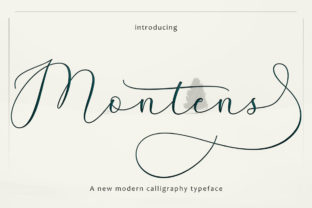
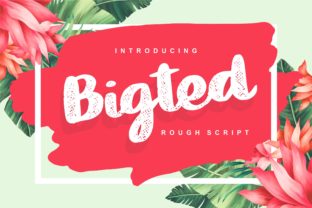
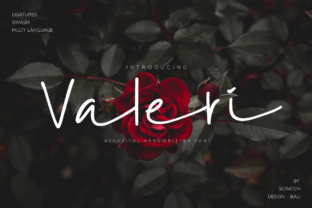
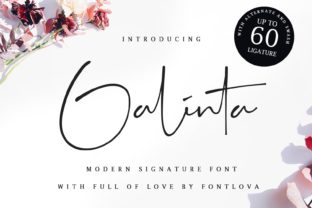
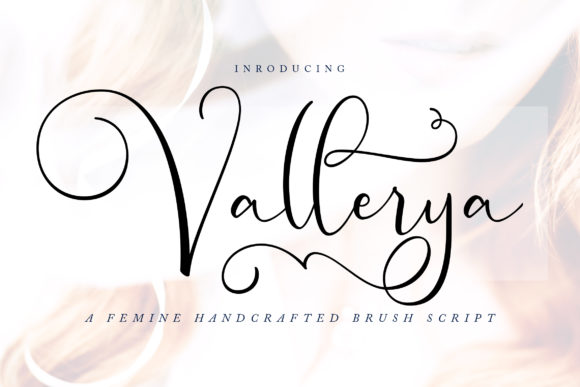
Vallerya isn’t mimicking calligraphy with rigid flourishes or chasing retro trends. Instead, it balances relaxed rhythm with clean structure. Its letters flow like confident handwriting—slightly varied in height, softly tapered terminals, subtle contrast between thick and thin strokes—but with consistent spacing and even weight distribution. That balance is why it feels both approachable and intentional. It’s playful without tipping into childishness; elegant without demanding reverence. Think of it as the kind of typeface you’d trust to introduce your brand at a farmers’ market stall *and* headline a limited-edition zine.
Where Vallerya Earns Its Place
This isn’t a font for body text or dense paragraphs—and that’s by design. Vallerya is a display font, best deployed where attention, tone, and personality matter most. It shines in contexts where voice and visual identity converge:
- Logo design for lifestyle brands, bakeries, florists, wellness studios, or indie publishers—especially when authenticity and warmth are core values;
- Social media graphics, especially Instagram carousels, Reels thumbnails, or Pinterest quote cards where a few words need to land with feeling;
- Editorial design elements like section headers, pull quotes, or cover titles in digital newsletters or small-run print magazines;
- Packaging design for artisanal goods—soap labels, coffee bags, candle boxes—where tactile charm supports perceived quality;
- Personal projects like wedding stationery, baby announcements, or handmade greeting cards where emotional resonance matters more than scalability.
What sets Vallerya apart from many free script fonts is its restraint. No excessive swashes, no forced ligatures, no distracting alternates that complicate layout decisions. It delivers character without sacrificing clarity—even at smaller display sizes (18–24pt). That makes it unusually versatile for a handwritten font: it reads quickly, holds up across screens and print, and doesn’t fatigue the eye during short bursts of engagement.
How It Shapes Perception—Without Saying a Word
Typefaces don’t speak, but they signal. Vallerya signals friendliness, care, and modern craft—without shouting. When used thoughtfully, it nudges brand perception toward sincerity and intentionality. A tech startup using Vallerya for its “About Us” headline might seem unexpectedly grounded; a yoga studio using it on a workshop poster feels inviting, not generic. That’s because Vallerya avoids the sterility of many sans serif fonts and the dated formality of traditional serif scripts.
It also supports visual hierarchy naturally. Pair it with a clean, neutral sans serif (like Inter, Poppins, or even system fonts like SF Pro or Segoe UI), and the contrast does the heavy lifting: Vallerya draws the eye, the supporting font delivers information. No extra styling needed. And because its letterforms have generous x-height and open counters, it remains legible even over textured backgrounds or low-contrast photography—something many decorative scripts struggle with.
Practical Tips Before You Type
Before dropping Vallerya into your next project, ask yourself three things:
- Is this about tone—or utility? If your goal is scannability, data clarity, or long-form reading, reach for a robust serif font or sans serif font instead. Vallerya excels at moments of emphasis, not endurance.
- Does it pair well with what’s already in your toolkit? Test it beside your current heading or body font. Does the contrast feel purposeful—or jarring? Try setting “Vallerya” in all caps for impact, then switch to sentence case for warmth. Notice how spacing shifts.
- What’s the output context? Vallerya is designed for digital and print use—but check your file format. The OTF version handles OpenType features smoothly in Adobe apps; web use requires proper @font-face setup or embedding via a service that supports variable-weight scripts.
Vallerya includes a single, carefully tuned weight—no bold or italic variants. That’s not a limitation; it’s focus. It encourages thoughtful application rather than stylistic overreach. Use size, color, and placement to create emphasis—not fake weight. And yes—it’s a freebie, but verify licensing before commercial use. Most versions permit personal and commercial projects, including client work and product packaging—just avoid redistributing the font file itself.
Real Moments Where Vallerya Works Quietly Well
A blogger launching a new series on mindful cooking uses Vallerya for episode titles—paired with Lora for body text. The contrast feels curated, not chaotic. Readers associate the script with care and craft, reinforcing the theme before a single word is read.
A local ceramicist adds Vallerya to her Etsy banner and product tags (“Hand-thrown • Small-batch • Made in Portland”). The font’s gentle rhythm echoes the organic imperfections of her work—no explanation needed.
A nonprofit publishing a quarterly newsletter swaps their standard sans serif header for Vallerya on the “Stories from the Field” section. Open rates tick up slightly—not because of the font alone, but because that small shift signals humanity amid institutional content.
None of these rely on Vallerya doing heavy lifting. They rely on it being *right*. Not flashy. Not trendy. Just present, expressive, and quietly confident.
So if you’re choosing type not just to label—but to connect—Vallerya is worth your time. Download it. Print a test sheet. Try it over a photo, beside your logo, on a mock-up post. See how it behaves—not as a “font,” but as part of your visual language. Because the best creative font doesn’t call attention to itself. It helps your message land, clearly and kindly.